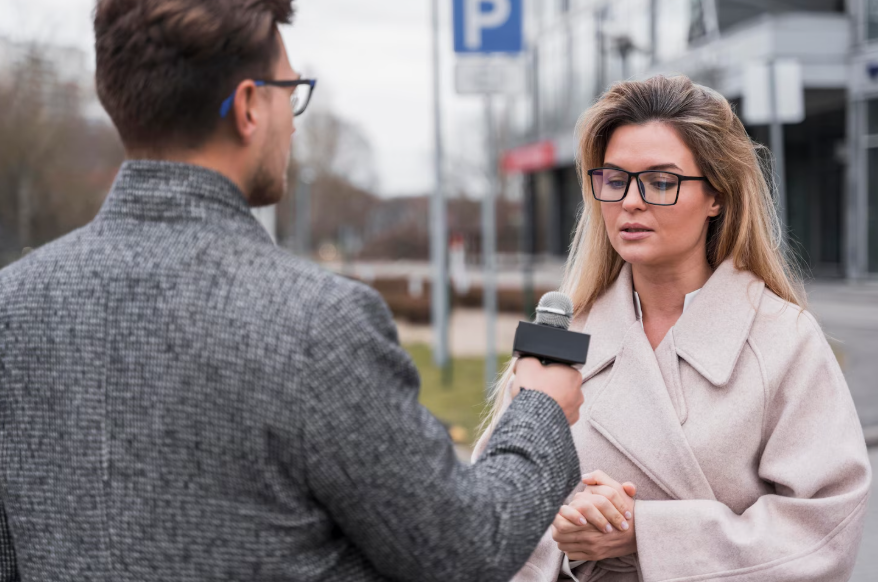

Fact-checking isn’t a single task. It’s a mindset embedded in how journalism works.
Fact-checking is often imagined as a simple step at the end of writing: verify a quote, confirm a number, hit publish. In reality, it’s a layered process that runs throughout reporting, editing, and revision. Much of this work is invisible to readers, which can make fact-checking feel abstract or inconsistent.
Understanding how fact-checking works in journalism clarifies why errors occur, how they’re corrected, and why verification is more complex than it appears.
Verification Starts Before Writing Begins
Fact-checking doesn’t wait until an article is finished. It begins as soon as reporting starts. Journalists verify claims while gathering information, not afterward.
This includes confirming dates, spellings, titles, and timelines, as well as checking whether initial assumptions hold up under scrutiny. Reporters cross-reference statements against documents, public records, and prior reporting.
By the time writing begins, much of the factual groundwork is already in place.
Explore What Sources Say Really Means in Journalism for insights on sourcing.
Sources Are Evaluated, Not Just Quoted
Fact-checking involves assessing sources as much as checking statements. Journalists ask who a source is, how they know what they claim, and what incentives or limitations they may have.
A firsthand witness is weighed differently than a secondhand account. Official statements are checked against independent evidence. Anonymous sources require additional scrutiny and corroboration.
Quoting someone accurately does not automatically make a claim true. Verification goes beyond attribution.
See What Makes a Source ‘Credible’ Online for a deeper dive on reliability.
Editors Act as a Second Line of Defense
Editors play a crucial role in fact-checking. They read with skepticism, looking for inconsistencies, gaps, or unsupported assertions.
Editors may request additional sourcing, question interpretations, or flag language that implies certainty where none exists. They often ask reporters to justify why a claim is reliable or how a conclusion was reached.
This back-and-forth strengthens accuracy, even if readers never see it.
Facts Change as Stories Develop
One challenge of modern news is the need for speed. Stories are often published while events are still unfolding. Early information may be incomplete or revised later.
Fact-checking in these cases focuses on transparency. Journalists report what is known at the time while clearly stating uncertainty. As new information emerges, stories are updated.
This process can look messy from the outside, but it reflects responsible adaptation rather than carelessness.
Numbers and Data Require Extra Care
Statistics demand specialized attention. Journalists verify sources, sample sizes, and methodology when reporting data.
Editors may check original studies, consult experts, or compare findings to previous research. Even then, interpretation matters. A statistically accurate number can still be misleading without context.
Fact-checking numbers isn’t just about correctness; it’s about meaning.
Read How Statistics Get Misinterpreted in News Stories for context on data numbers.
Why Errors Still Happen
Despite multiple layers of review, mistakes occur. Time pressure, human error, and reliance on imperfect information all contribute.
What distinguishes responsible journalism is not the absence of errors, but how they are handled. Corrections, clarifications, and updates are part of the system.
Acknowledging mistakes maintains credibility more than pretending perfection.
The Role of Corrections and Transparency
Corrections are not admissions of failure; they are evidence of process. Newsrooms track errors and update stories to reflect new or corrected information.
Many outlets publish correction policies and clearly label changes. This transparency allows readers to see fact-checking as ongoing rather than final.
Trust grows when readers understand that accuracy is actively maintained.
Learn Why Corrections Matter More Than Most Readers Realize for newsroom transparency.
How Readers Can Interpret Fact-Checked News
Fact-checking doesn’t guarantee certainty. It guarantees effort, standards, and accountability.
Readers benefit from recognizing that verified news reflects the best available information at the time, shaped by evidence and review. Skepticism should focus on sourcing and transparency, not the existence of human imperfection.
Fact-checking is quieter than headlines, but it’s the structure holding them up.