
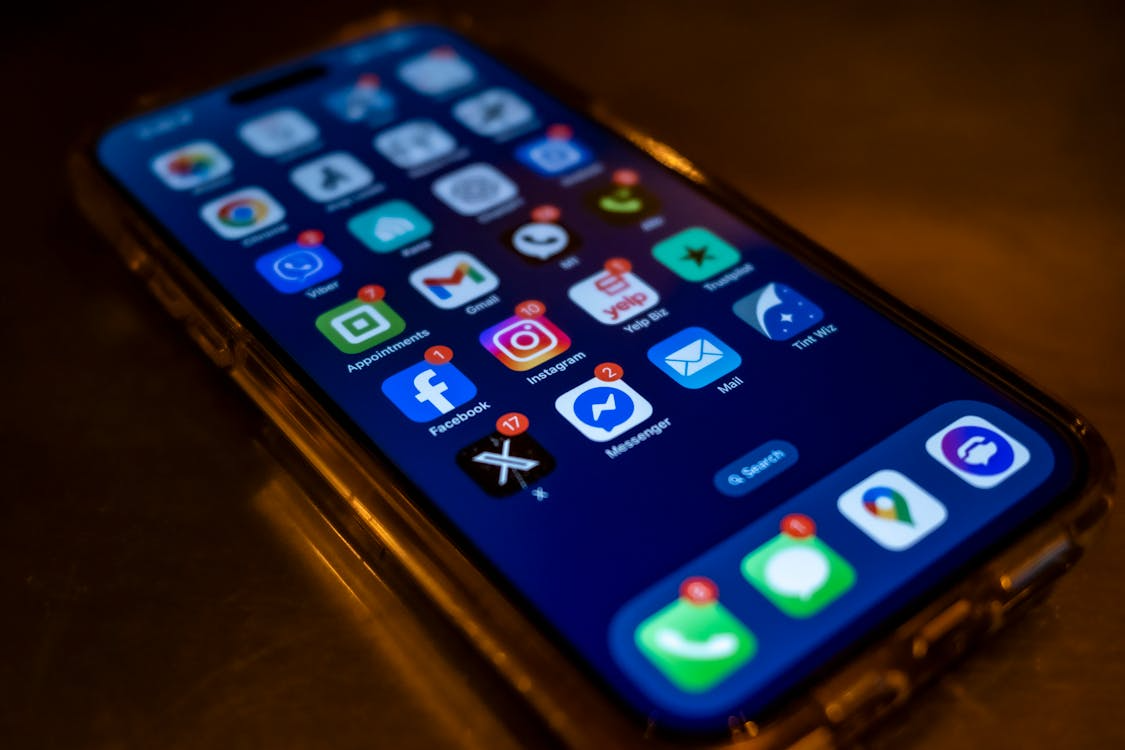
Over time, this constant signaling changes not only news habits, but priorities, emotions, and expectations.
Push notifications were designed to be helpful. They promise timely updates, urgent alerts, and information delivered exactly when it matters. In practice, they have become one of the most potent forces shaping how people perceive importance in the modern news environment.
Understanding how push notifications shape importance reveals why notifications don’t just inform readers about events; they also quietly train them to recognize what deserves immediate concern.
Interruptions Redefine Urgency
Push notifications arrive with a built-in sense of urgency. A vibration, sound, or banner signals that something cannot wait. Even before reading the message, the body shifts attention and focus.
Traditional news rarely interrupts people mid-task. Morning papers and scheduled broadcasts respected time boundaries. Notifications break those boundaries, inserting news into meetings, meals, and moments of rest.
Because interruption equals importance in the brain, stories delivered this way feel more significant than those discovered passively, regardless of actual impact.
Explore How Personal Experience Shapes What News We Notice for perception patterns.
Frequency Trains the Brain
The more often notifications arrive, the more they shape perception. Frequent alerts create the impression that major events are happening constantly. Even minor updates can feel critical when delivered with the same intensity as actual emergencies.
Over time, readers begin to equate volume with significance. Topics that generate repeated alerts dominate mental space, while slower-moving but meaningful stories fade into the background.
This doesn’t mean readers are misinformed, but their sense of scale becomes distorted by repetition rather than relevance.
Headlines Become Decisions Made for You
Push notifications typically deliver only a headline or a summary. There is no context, no comparison, and no broader landscape. The notification itself acts as an editorial decision, telling readers what deserves immediate attention.
Unlike choosing to open a news app or website, notifications remove choice from the moment of discovery. Readers don’t decide what to engage with; the system determines for them.
This shifts power away from conscious selection and toward automated prioritization, subtly shaping daily awareness.
Read How Multitasking Affects News Retention for attention impacts.
Emotional Amplification Through Alerts
Notifications often rely on emotionally charged language to justify interruption. Words signaling danger, conflict, or urgency are more likely to trigger clicks and engagement.
When these emotional cues arrive unexpectedly, they can amplify stress or anxiety. A developing story may feel catastrophic simply because it was delivered as an alert rather than encountered in a calmer setting.
Over time, this can condition readers to associate news with heightened emotional states, even when the underlying information doesn’t warrant such an association.
What Doesn’t Get Notified Disappears
Equally important is what push notifications don’t deliver. Complex policy changes, long-term trends, and contextual updates rarely trigger alerts. They unfold quietly, without interruption.
As a result, readers may feel informed while missing foundational developments that shape outcomes more than breaking updates. Attention gravitates toward what pings, not what matters most over time.
Silence becomes invisibility. Stories without alerts struggle to register at all.
See Why Context Is the Most Important Part of Any Story for perspective.
The Illusion of Staying “On Top” of the News
Push notifications create a feeling of constant awareness. Readers may believe they are staying current simply because updates arrive throughout the day.
In reality, this awareness is fragmented. Notifications provide pieces, not patterns. They inform without explaining and alert without grounding.
The result is often familiarity without understanding, where readers recognize headlines but lack a coherent sense of what’s unfolding.
Check out How News Fatigue Happens and What to Do About It for habit reset ideas.
Taking Back Control From the Alert Economy
Push notifications are not inherently harmful, but they require intentional management. Many readers now limit alerts to only the most urgent categories or disable them entirely for specific apps.
Others choose to receive notifications only at specific times, restoring boundaries that allow deeper engagement on their own terms.
When readers decide when to be interrupted, they regain control over what feels important. In a world competing for attention, silence can be just as informative as noise.