
This shift reflects broader changes in how people value time, control, and flexibility in their media consumption.
For decades, television news followed a fixed schedule. Viewers tuned in at set times, watched a complete broadcast, and then moved on. This structure shaped not only how news was delivered, but how it was understood.
Today, streaming news replacing traditional TV is steadily reshaping viewing habits, shifting news consumption from scheduled appointments to on-demand access that fits individual routines.
Scheduled Broadcasts No Longer Match Daily Life
Traditional TV news was built around predictable daily rhythms. Morning shows, evening broadcasts, and late-night summaries assumed viewers would plan around them.
Modern schedules are far less uniform. Remote work, flexible hours, and on-the-go lifestyles make fixed viewing times inconvenient. Streaming news adapts to this reality by allowing viewers to watch when it suits them, not when a network dictates.
Convenience has become a deciding factor. If news can be watched anytime, scheduled broadcasts feel restrictive rather than reliable.
Explore Why People Trust Podcasts More Than Written News for trust patterns.
On-Demand Viewing Changes Attention Patterns
Streaming news allows viewers to select specific segments rather than watch an entire program. Rather than sitting through weather, sports, and unrelated stories, viewers jump directly to topics they care about.
This selective viewing increases efficiency but alters attention. News becomes modular rather than holistic. Viewers assemble their own versions of the news rather than absorbing a curated sequence.
While this customization feels empowering, it can also reduce exposure to stories outside personal interests.
Read The Rise of ‘Headline-Only’ Reading for skimming behavior.
Shorter Segments Fit Modern Habits
Streaming platforms favor shorter clips optimized for quick consumption. Long broadcasts are broken into digestible segments designed to fit into spare moments.
This aligns with how people consume media across platforms. Short videos, podcasts, and articles all compete for attention in the same environment.
As a result, news increasingly resembles other digital content formats, blurring the line between traditional journalism and on-demand media.
Check out How Younger Generations Discover News Without Homepages for discovery trends.
Control Replaces Passive Viewing
Traditional TV news encouraged passive consumption. Viewers watched whatever came next, often absorbing stories they didn’t initially seek.
Streaming flips that relationship. Viewers choose what to watch, skip, or replay. This control increases engagement but reduces serendipity.
The shift reflects a broader expectation that media should respond to the viewer, not the other way around.
Multi-Device Access Expands Where News Lives
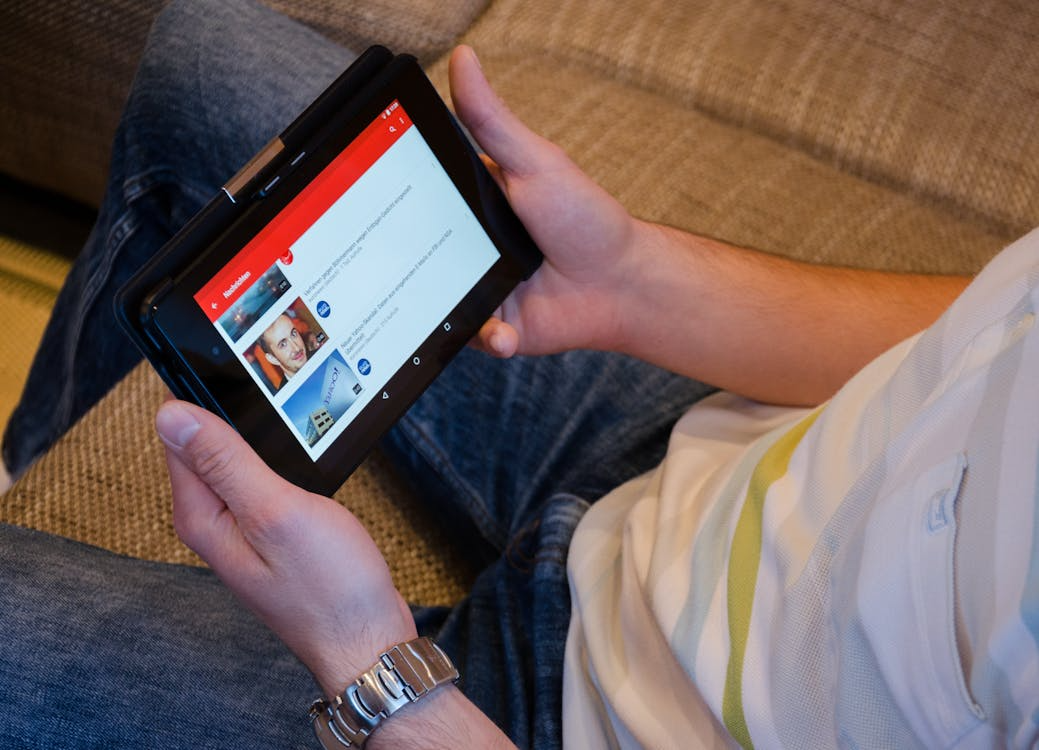
Streaming news isn’t confined to the living room. Viewers watch on phones, tablets, laptops, and smart TVs. News becomes portable, fitting into commutes, workouts, or quiet moments.
This flexibility increases total exposure but fragments the experience. News is no longer tied to a specific place or time, which changes how it’s remembered and discussed.
The shared experience of “watching the news” becomes more individualized.
See Why Short Video Is Becoming a News Source for format changes.
Traditional TV Loses Its Authority Role
Television once held symbolic authority. The act of turning on the news felt official and credible. Streaming weakens that ritual.
When news appears alongside entertainment and user-generated content, it loses some of its perceived gravity. Authority shifts from the medium to the individual source or personality delivering the content.
Trust becomes personal rather than institutional.
What This Shift Means for Viewers
Streaming news offers freedom, flexibility, and efficiency, but it also requires more responsibility from viewers. Choosing what to watch means deciding what matters.
Without the guardrails of a full broadcast, it’s easier to miss context or overlook essential but uninteresting stories. Awareness becomes intentional rather than automatic.
The replacement of traditional TV viewing isn’t about decline; it’s about adaptation. News hasn’t disappeared from screens. It has learned to follow the viewer.