
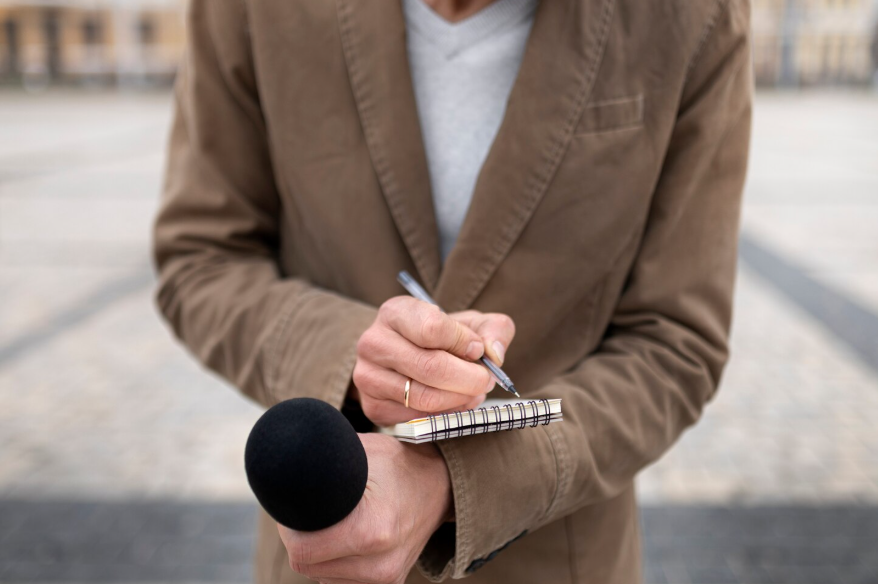
The phrase isn’t a loophole. It’s a signal about how information was obtained and why it’s being presented carefully.
When readers see the phrase “sources say,” it often triggers skepticism. The wording can feel vague, evasive, or even suspicious, especially in an era of misinformation and declining trust.
Yet anonymous sourcing is a long-standing and necessary part of journalism. Understanding what “sources say” actually means helps readers evaluate stories more accurately rather than dismissing them outright.
Why Journalists Use Anonymous Sources
Not all information can be shared publicly without consequences. Whistleblowers, government officials, corporate employees, and insiders may face retaliation, job loss, or legal risk if identified.
Anonymous sourcing allows journalists to report information that would otherwise remain hidden. Without it, many major investigations would never reach the public.
The goal isn’t secrecy for its own sake. It’s access to information that serves the public interest.
Explore What Fact-Checking Actually Looks Like Behind the Scenes for context on verification.
“Sources Say” Does Not Mean Unverified
Contrary to common belief, anonymous sources are not taken at face value. Reputable outlets require reporters to vet sources extensively before publishing.
This includes confirming the source’s proximity to the information, assessing credibility, and often corroborating claims with additional sources or documents.
The anonymity applies to the reader, not to the newsroom. Editors typically know who the sources are and why anonymity was granted.
Why Details Are Sometimes Limited
Readers may notice that stories citing anonymous sources include fewer specifics. This restraint is intentional.
Providing too much detail could indirectly expose the source. Journalists balance transparency with protection, sometimes at the cost of precision.
This can feel frustrating, but it reflects ethical judgment rather than deception.
Check out How Quotes Can Change the Tone of an Article for framing insight.
Multiple Sources Strengthen Credibility
Phrases like “according to multiple sources” signal an essential distinction. Independent confirmation reduces the risk of misinformation.
When several sources with separate access to the same information agree, confidence increases even without names attached.
Single-source stories are treated more cautiously, especially when anonymity is involved.
Read What Makes a Source ‘Credible’ Online for reliability insight.
When Anonymous Sourcing Becomes a Red Flag
Not all uses of “sources say” are equal. Readers should be cautious when anonymity is used for opinions, speculation, or minor details.
Credible anonymous sourcing typically involves matters of public significance, not gossip or personal attacks.
If a story relies heavily on unnamed sources without explaining why anonymity was necessary, skepticism is reasonable.
Why Newsrooms Explain Anonymity More Often Now
As trust has eroded, many outlets now explain why they granted sources anonymity. Phrases like “because they were not authorized to speak publicly” add context.
These explanations help readers assess motivation and risk, improving transparency even without disclosure.
Clarity builds trust more effectively than secrecy.
See Why Corrections Matter More Than Most Readers Realize for transparency context.
How Readers Can Interpret “Sources Say” Responsibly
Instead of treating the phrase as a flaw, readers can treat it as a cue to read carefully. Look for corroboration, context, and newsroom reputation.
Anonymous sourcing isn’t a shortcut; it’s a tradeoff. It exchanges complete transparency for access to critical information.
When used responsibly, “sources say” expands what journalism can reveal. Understanding its role allows readers to stay informed without becoming cynical.